
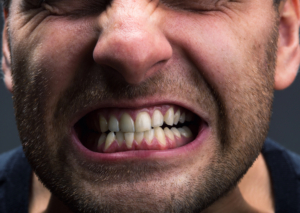
 Teeth grinding – medically called bruxism – can be frustrating and persistent. However, your Denver dentist says that understanding the root cause of teeth grinding can help you manage the condition more effectively and protect your oral health over time.
Do you often wake up with headaches, jaw pain, or sensitive teeth? You might be experiencing bruxism. Get simple yet effective treatment with the team at Metropolitan Dental Care. Call (303) 534-2626 to request a visit with our Denver, CO, dentists today!
What Is Bruxism and Why Does It Matter?
Bruxism involves the clenching or grinding of teeth, either during sleep or while awake. It may lead to symptoms such as:
- Jaw soreness
- Headaches
- Worn tooth enamel
- Damaged crowns and fillings
Frequent grinding may even be associated with other sleep issues like snoring or sleep apnea, because both involve disturbances during sleep. Your Denver dentist evaluates these signs early to prevent long-term harm.
Why Patients Often Can’t Stop Grinding
Stress, genetics, medications, poor sleep quality, lifestyle choices, and bite misalignments can all contribute to bruxism. While patients can mitigate some of these factors by themselves, other factors may be harder to control.
Unconscious Habit
Most grinding occurs without awareness, especially at night. Because it happens while asleep, traditional self-control or habit reversal methods are less effective. This is why patients often feel they “can’t stop” even when they try.
Underlying Health Factors
Conditions such as sleep apnea, neurological disorders, or certain medications may contribute to bruxism. In some people, grinding may also run in families, suggesting a genetic component. Your Denver dentist may recommend collaboration with a sleep specialist if underlying health conditions are suspected.
Lack of Stress Management
If stress remains unaddressed, grinding may persist despite dental interventions. Stress-reduction techniques, such as meditation or exercise, are often part of a broader treatment approach recommended by dental professionals.
What You Can Do About It
When it comes to treating bruxism, you have options. Here are some solutions that our Denver dentist recommends for relief:
Custom Night Guards
A common and effective solution is a custom night guard. This appliance protects teeth from wear and redistributes biting forces. Your Denver dentist fits the guard to your mouth so it remains comfortable and effective throughout the night.
Relaxation and Sleep Hygiene
Improving sleep routines and reducing stimulants in the evening can help decrease nighttime clenching. Practices like meditation, warm baths, or gentle stretching may support muscle relaxation before bed.
Regular Dental Checkups
Routine dental exams let your dentist monitor signs of grinding over time. Early detection can prevent serious damage, making regular visits to Metropolitan Dental Care essential for long-term dental health.
Bruxism Evaluation – Contact a Top-rated Denver Dentist Today!
Bruxism is complex and often involves stress, sleep-related activity, bite issues, and lifestyle factors. Your Denver dentist can help you explore the causes, identify risk factors, and build a personalized plan to manage symptoms. So, contact Metropolitan Dental Care here, or call us in Denver, CO, at (303) 534-2626 for early intervention and supportive care today.