 Our dentists in Denver, CO, often evaluate patients who are unsure whether their wisdom teeth symptoms are normal or a sign of impaction. So, if you’re curious about the health of your third molars, remember that early detection supports better outcomes and simpler treatment.
Want to find out if your teeth are in trouble? Call (303) 534-2626 to book a visit at Metropolitan Dental Care today!
What Does It Mean for Wisdom Teeth to Be Impacted?
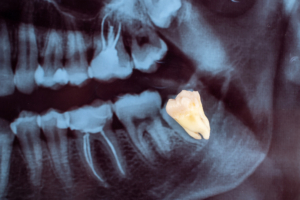
Impaction occurs when wisdom teeth do not have enough space to erupt through the gums properly. The teeth may remain trapped beneath the gums or only partially break through the surface. Because spacing is the primary problem, women are significantly more likely to require wisdom tooth removal compared to men.
Indeed, impacted teeth can grow at an angle toward other teeth, toward the jawbone, or sideways. These abnormal paths often cause discomfort, infection, and oral health problems.
Common Signs of Impacted Wisdom Teeth
One of the earliest signs of trouble is pain near the back of the mouth. This discomfort may feel dull or sharp and often worsens when chewing. Swelling around the gums near the back molars is also common.
Patients may notice redness, tenderness, or bleeding in the gum tissue. These symptoms suggest inflammation caused by trapped bacteria around partially erupted wisdom teeth.
Other signs of impacted molars include:
Jaw Stiffness and Limited Mobility
Impacted teeth can irritate surrounding tissues and muscles. This irritation may lead to jaw stiffness or difficulty opening the mouth fully.
Jaw discomfort sometimes extends to the ear or temple. Because symptoms overlap with other conditions, professional evaluation is essential for an accurate diagnosis.
Persistent Bad Breath or Unpleasant Taste
Food and bacteria easily collect around impacted teeth. This buildup may cause chronic bad breath or a bad taste that does not improve with brushing.
These symptoms often signal infection beneath the gumline.
Swelling in the Face or Lymph Nodes
In some cases, infection spreads beyond the gums. Facial swelling or tenderness under the jaw may occur.
Swollen lymph nodes indicate the body is responding to infection. This response suggests that impacted wisdom teeth require prompt professional attention.
Headaches and Sinus Pressure
Upper impacted teeth can place pressure on nearby sinuses. This pressure may contribute to headaches or sinus discomfort.
When to Seek Professional Evaluation
Patients should seek evaluation if they experience persistent pain, swelling, or difficulty chewing. Even mild symptoms may indicate developing complications.
Remember: Early assessment reduces the risk of infection, crowding, and damage to neighboring teeth.
Treatment Options for Impacted Wisdom Teeth
Treatment depends on symptoms, tooth position, and overall oral health. Some impacted teeth require removal, while others may only need monitoring.
Early intervention often leads to smoother recovery and fewer complications. So, if you’re noticing signs of wisdom tooth problems, contact Metropolitan Dental Care right away.
Remove Impacted Wisdom Teeth with Compassionate Denver Dentists
With timely evaluation and proper imaging, the team at Metropolitan Dental Care can identify impaction early. Click here for prompt care with our five-star dentists in Denver, CO, or call (303) 534-2626 to avoid more serious problems in the future.